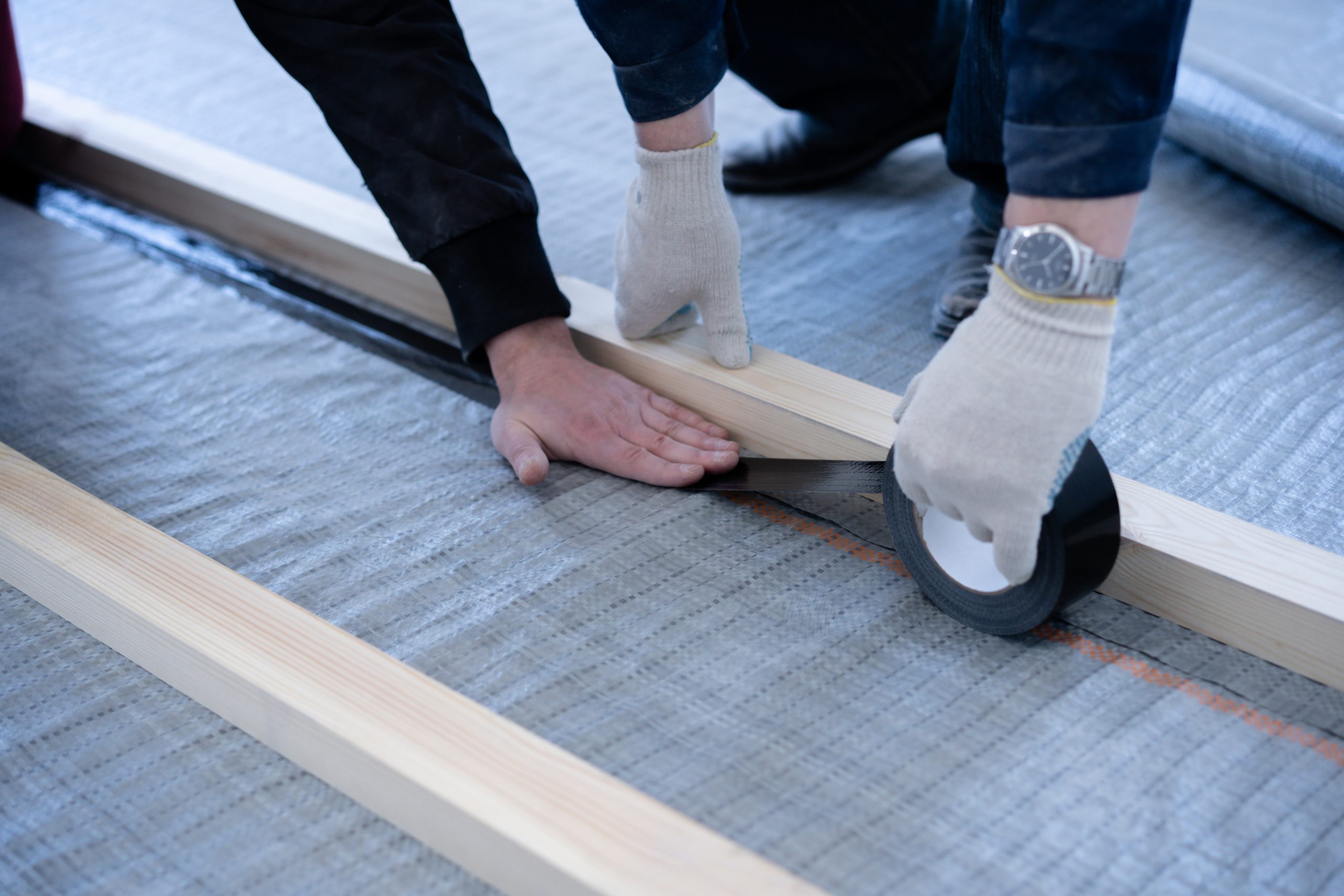
Under-Floor Insulation

Underfloor insulation seals the space between the ground and a suspended floor, preventing external air infiltration. Typically, suspended timber floors feature floorboards atop timber joists. While liners beneath floor finishes reduce draughts, they aren’t airtight.

Underfloor insulation seals gaps, improving heating efficiency, reducing energy costs, and offering cooling benefits in summer.

Why Choose Under Floor Insulation?

Installing underfloor insulation in your home is a straightforward process that begins with accessing the space beneath your floor. This can typically be done through an existing access hatch, often found in a cupboard, or by creating one if necessary. Once you’ve gained access, the next step involves hanging nets beneath the floor joists and filling them with quality insulation material.

With the recent rise in gas prices, ensuring proper insulation has become increasingly important for homeowners. While many may prioritise cavity wall insulation, the significance of insulating floors is often overlooked. However, with grants available for floor insulation, it’s an opportune time to consider this energy-saving measure. For more information on funding options and eligibility criteria, you can reach out to NexGen Energy Group.

When installing underfloor insulation, it’s essential to focus on three key aspects: thermal performance, moisture control, and air tightness. Effective insulation not only traps heat within your home but also helps prevent issues like dampness and mould. Additionally, ensuring air tightness helps seal gaps and eliminates draughts, further enhancing the overall energy efficiency of your property. Carefully selecting insulation materials, moisture controllers, and air barriers is crucial for optimising insulation effectiveness and maximising energy savings in the long run.

Energy assessments are crucial for evaluating a building’s energy efficiency and identifying areas for improvement. Various types of assessors specialise in different building structures. Explore the options below.

Useful Hints & Tips

Prepare the Area: Before insulating your floor, it’s crucial to ensure the area is properly prepared. Begin by lifting the floorboards to inspect the joists for any signs of damage or defects. If the joists rest on exposed clay or soil, it’s advisable to lay down a vapour barrier to prevent moisture from rising.

Create a Breathable, Airtight Space: Once the area is inspected and prepared, cover the joists with a material that allows for airflow while effectively blocking drafts and moisture. This step lays the foundation for the proper placement of insulation.

Insulate Naturally: When selecting insulation materials, opt for high-quality natural options such as sheep’s wool, wood fibre, or Jute insulation. These materials not only provide effective insulation but also offer excellent moisture control properties.

Finalise Insulation: After placing the insulation, add a layer of vapour control material over it to ensure proper sealing of overlaps and edges. Once the insulation is complete, replace the flooring to create a warm and cosy living space. Additionally, consider exploring Air-to-Air Heat Pump and Air-to-Water Heat Pump options for your home. Costs typically range from £1,500 to £3,500 for Air-to-Air Heat Pumps and £8,000 to £18,000 for Air-to-Water Heat Pumps. You may also qualify for grants of up to £7,500 through the UK government’s ECO4 Scheme, which can be deducted from installer costs.


Annual Energy Cost Savings

Below are statistics sourced from the Energy Saving Trust, illustrating average annual energy savings based on your type of residence:

£65

For Detached Houses

£40

For Semi-Detached Houses

£25

For Terraced Houses

£60

For Bungalows

Available Grants

Through the UK Government’s ECO4 funding scheme, accredited experts evaluate your property’s eligibility. Even with well-insulated ceilings and walls, approximately 20% of heat can escape through the floor.

Assess Property Type: Basements, cellars, and properties with slopes may qualify for Underfloor Insulation (UFI). Older residences often feature suspended timber ground floors, which are prone to losing more heat due to voids of cold air. Presence of air or ventilation bricks on exterior walls may indicate suitability for UFI installation.

Costs and Benefits: Underfloor insulation, particularly for ground floors, typically costs between £300 to £1200. There are various government grants available that may cover the entire installation expenses.

See what our customers have to say…

Find out if you are eligible for a grant now!